
The Making of a Writer
Promise at DawnThis thread follows the narrator’s changing artistic ambitions, from childhood fantasies of genius to a mature understanding of writing as an imperfect act of resistance.
increasing Bearing strength in each event
 decreasing
Bearing strength in each eventdecreasingThe Search for a Name
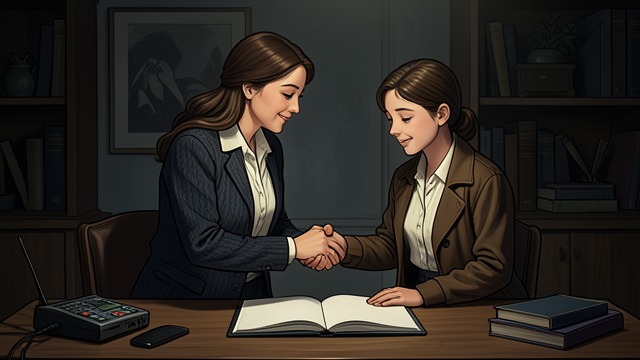
The Search for a Name
Imagined authorship
He and his mother invent grand pseudonyms for the writer he is supposed to become. The naming game gives shape to a talent neither can yet prove.
The labor beneath the fantasy
The boy understands that a name alone cannot create a book. Their shared dream nevertheless supplies the emotional reason he begins to write.
Failed Artistic Apprenticeships
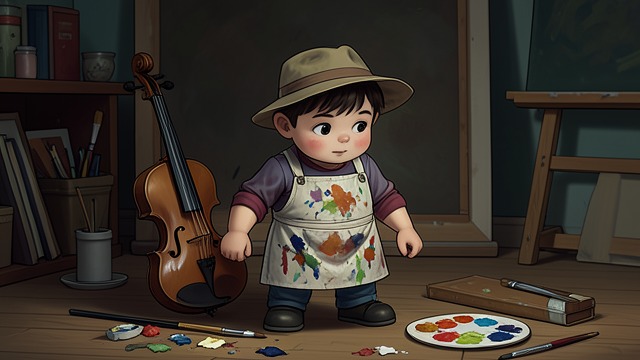
Failed Artistic Apprenticeships
Music and movement
His mother tries to make him a violinist, dancer, painter, and singer. Each failure disappoints her hopes and adds to his sense that he must find a gift for her sake.
Literature remains possible
She fears the poverty associated with painters but trusts writing as a respectable path. The narrowing of his choices turns literature into both refuge and obligation.
A Bottle and the Absolute
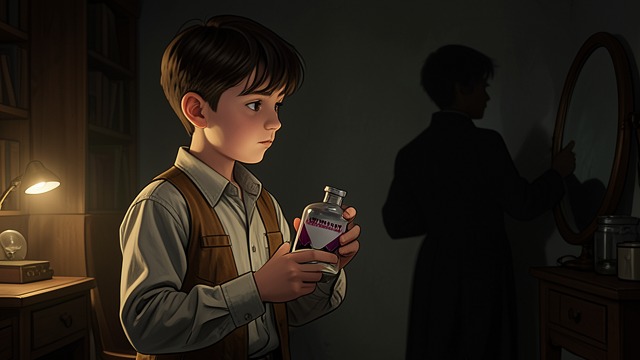
A Bottle and the Absolute
A child’s experiment
A boy tells him that a talisman can grant wishes. He imagines wealth and distinction for his mother but discovers that no concrete reward answers his deeper longing.
The artist’s first question
The encounter leaves him with a sense of an absolute that cannot be reached. He later recognizes this frustrated desire as an early source of his artistic imagination.
Writing Through the War
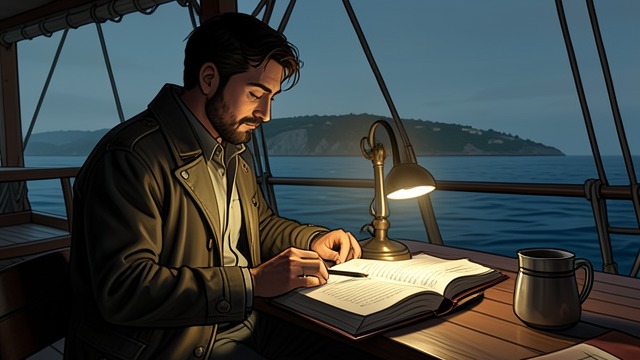
Writing Through the War
Stories as testimony
On the voyage to Africa, he begins the work that will become A European Education. He wants to preserve a record of resistance even if he does not survive the conflict.
A promise renewed
He reads his first story to his imagined mother at dawn. Writing becomes a way to assure her that he has not accepted defeat.
The Limits of the Masterpiece
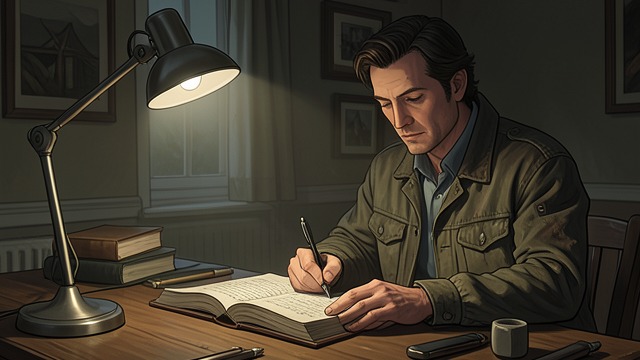
The Limits of the Masterpiece
Success without completion
Publication brings recognition, but each achievement fails to resolve the desire for perfection that drives him. The hoped-for final, decisive work remains beyond reach.
Continued effort
He comes to treat writing not as a completed victory but as an ongoing struggle with limitation. The act matters because he continues to try.
Early adolescence in Nice
Childhood in Vilna
Around age nine in Vilna
1940, aboard the ship to Africa
After his first publication and during the war
